


Mailing Address
159 1st Avenue
New York, NY


Common Eye Diseases Every Adult Should Know About
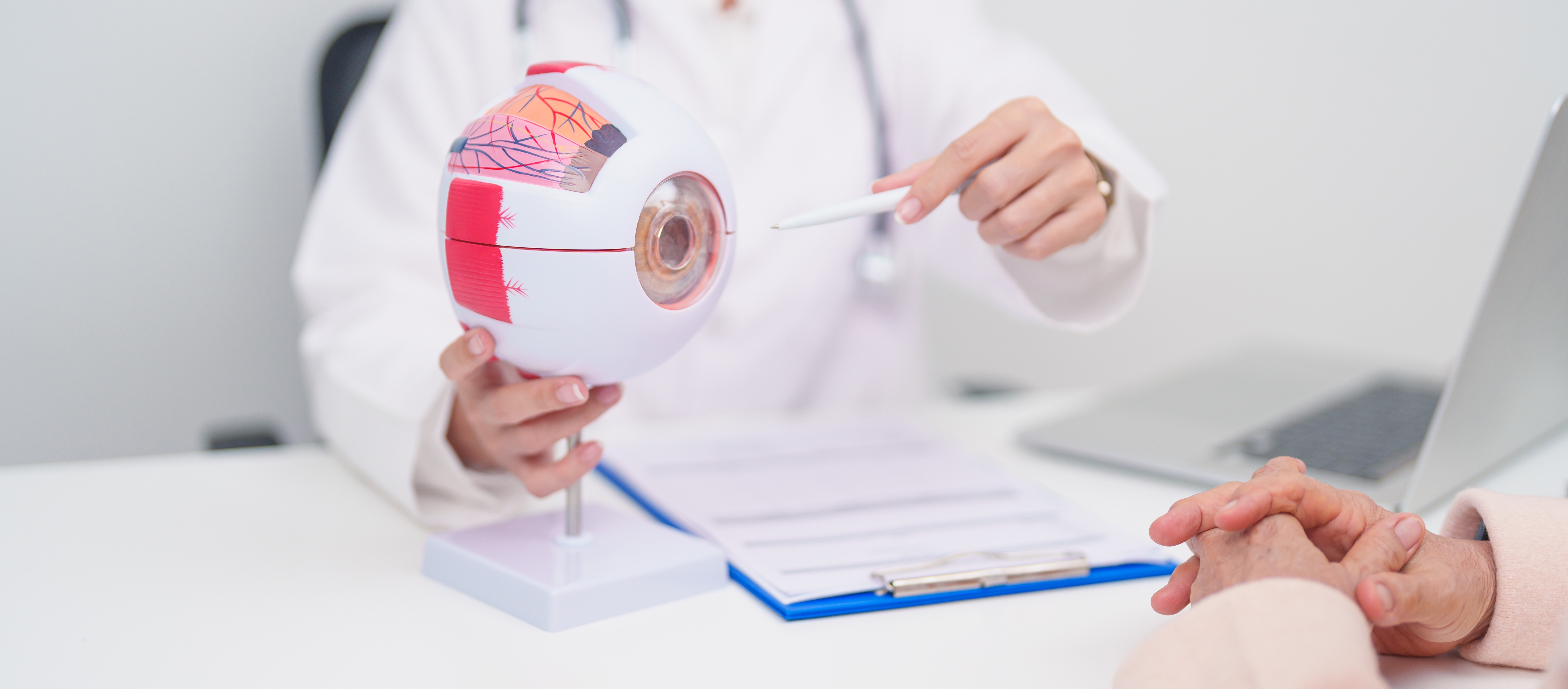
Protecting your vision starts with understanding the eye diseases that can affect adults over time. Some conditions develop gradually and cause few symptoms at first, which is why routine eye exams matter. At Eye and Health, we help patients catch issues early before they begin to interfere with daily life.
Dry Eye Disease Can Affect Comfort and Vision
Dry eye disease is a common condition that happens when the eyes do not produce enough tears or when the tears do not work as they should. Adults with dry eye may notice burning, irritation, redness, fluctuating vision, or a gritty feeling in the eyes. Screen use, aging, certain medications, and underlying health conditions can all contribute to symptoms. While dry eye may seem minor at first, ongoing irritation can affect both comfort and visual clarity, which is why proper evaluation and treatment are important.
Cataracts Can Develop Slowly
Cataracts are one of the most common eye conditions in adults, especially with age. They occur when the natural lens of the eye becomes cloudy, which can make vision look blurry, dull, or less sharp. Many people also notice more trouble seeing at night or increased sensitivity to glare. Because cataracts usually progress slowly, changes in vision may be easy to overlook at first.
Glaucoma Can Damage Vision Without Warning
Glaucoma is often called the "silent thief of sight" because it may not cause noticeable symptoms in its early stages. This disease damages the optic nerve, often due to pressure inside the eye. If left untreated, glaucoma can lead to permanent vision loss. Regular eye exams are important because glaucoma is usually easier to manage when it is found early.
Age-Related Macular Degeneration Affects Central Vision
Age-related macular degeneration, or AMD, affects the macula, the part of the retina responsible for sharp central vision. Adults with AMD may have trouble reading, recognizing faces, or seeing fine detail clearly. While AMD does not usually cause complete blindness, it can significantly affect independence and quality of life if not monitored closely.
Diabetic Eye Disease Should Never Be Ignored
Diabetes can affect the small blood vessels in the eyes and lead to diabetic retinopathy. In some cases, patients may not notice symptoms until the condition has already progressed. Adults living with diabetes should have regular eye exams to watch for early signs of damage. Managing blood sugar and keeping up with eye care are both important parts of protecting long-term vision.
Watch for These Warning Signs
Some eye diseases have few early symptoms, but certain changes should never be ignored:
- Blurry or distorted vision
- Trouble seeing at night
- Increased glare or light sensitivity
- Loss of peripheral vision
- Dark spots or empty areas in central vision
- Sudden changes in vision quality
If you notice any of these issues, it is a good idea to schedule an eye exam promptly.
Support Clear, Healthy Vision at Every Age
Many common eye diseases can be managed more effectively when they are diagnosed early. Annual eye exams allow us to evaluate your vision, examine the health of your eyes, and look for signs of disease that may not be obvious yet. Staying proactive with eye care is one of the best ways to protect your sight as you get older.
Schedule your next eye exam with Eye and Health to stay ahead of eye disease and protect your long-term vision. Visit our office in New York, New York, or call (212) 228-0950 to book an appointment today.
Powered by
