


Mailing Address
159 1st Avenue
New York, NY


How Amblyopia Is Diagnosed: From Eye Exams to Specialized Tests
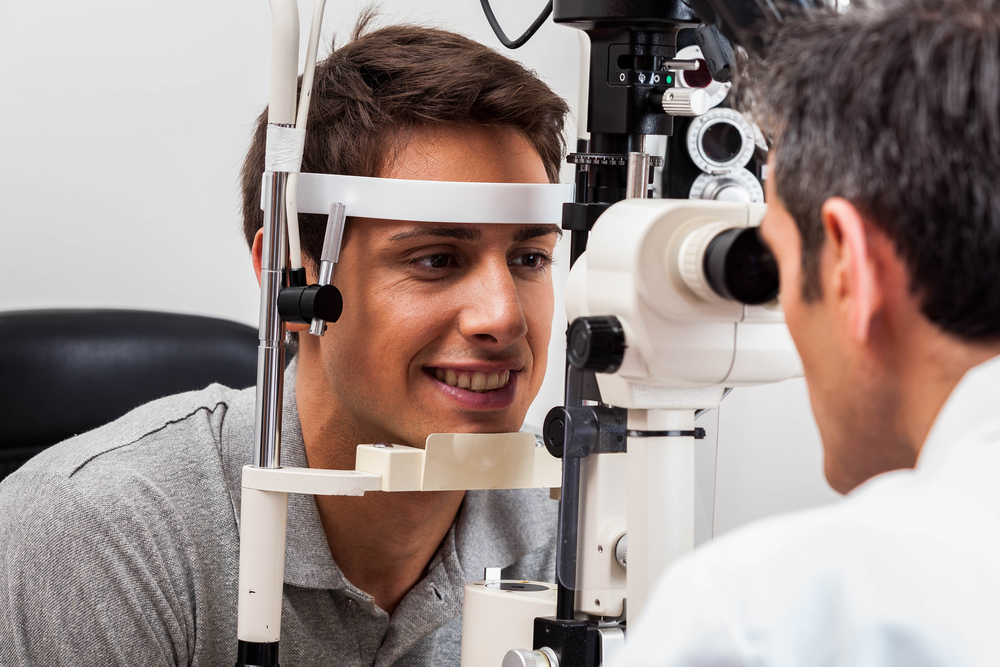
Amblyopia, commonly known as lazy eye, is a childhood vision condition where one eye doesn’t develop normal sight because the brain begins to rely more on the stronger eye. Detecting amblyopia early is essential, as treatment is most effective when started during the early developmental years.
Comprehensive Eye Exam
The diagnostic process for amblyopia begins with a comprehensive eye exam. During this visit, your eye doctor evaluates overall eye health and checks for refractive errors like nearsightedness, farsightedness, or astigmatism that may contribute to poor vision in one eye. Visual acuity is tested using an eye chart to determine how well each eye sees individually. If one eye shows significantly weaker vision even after using corrective lenses, this can indicate amblyopia.
Ocular Alignment and Eye Movement Tests
A key step in diagnosing amblyopia involves assessing how the eyes work together. The doctor performs alignment tests to check for strabismus (eye misalignment), which is a common cause of amblyopia. Eye movement tests also help determine whether both eyes can track and focus on the same object effectively.
Refraction and Retinal Examination
Using a refraction test, the optometrist measures how light focuses within each eye. This identifies differences in prescription strength that may lead to one eye becoming dominant over the other. A retinal examination ensures there are no structural abnormalities, such as cataracts or other conditions that could interfere with normal vision development.
Specialized Diagnostic Tools
In some cases, additional tests are needed to confirm amblyopia:
• Stereopsis Testing: Measures depth perception and helps detect whether the eyes are working together.
• Pupil Dilation Exam: Allows the doctor to inspect the retina and optic nerve for signs of disease.
• Retinoscopy or Autorefractor Testing: Provides an objective measurement of each eye’s focusing ability, useful for children who may not be able to communicate clearly about their vision.
The Importance of Early Diagnosis
The earlier amblyopia is diagnosed, the more effective treatment can be. In young children, the visual system is still developing, and treatments such as patching, vision therapy, or corrective lenses can help strengthen the weaker eye and retrain the brain to use both eyes together.
Schedule Your Child’s Eye Exam Today
Diagnosing amblyopia requires a combination of thorough eye exams and specialized tests designed to uncover subtle vision differences between the eyes. Early detection offers the best chance for successful treatment and long-term visual development.
If you suspect your child may have a lazy eye, schedule a comprehensive eye exam with Eye & Health to ensure your child’s vision develops strong and clear. Visit our office in New York, New York, or call (212) 228-0950 to book an appointment today.
© 2026 Eye and Health. All rights Reserved - Accessibility Statement - Privacy Policy - SMS Terms and Conditions - Site Map
Powered by
