


Mailing Address
159 1st Avenue
New York, NY


Living with Dry Eyes: Understanding What’s Causing Your Discomfort
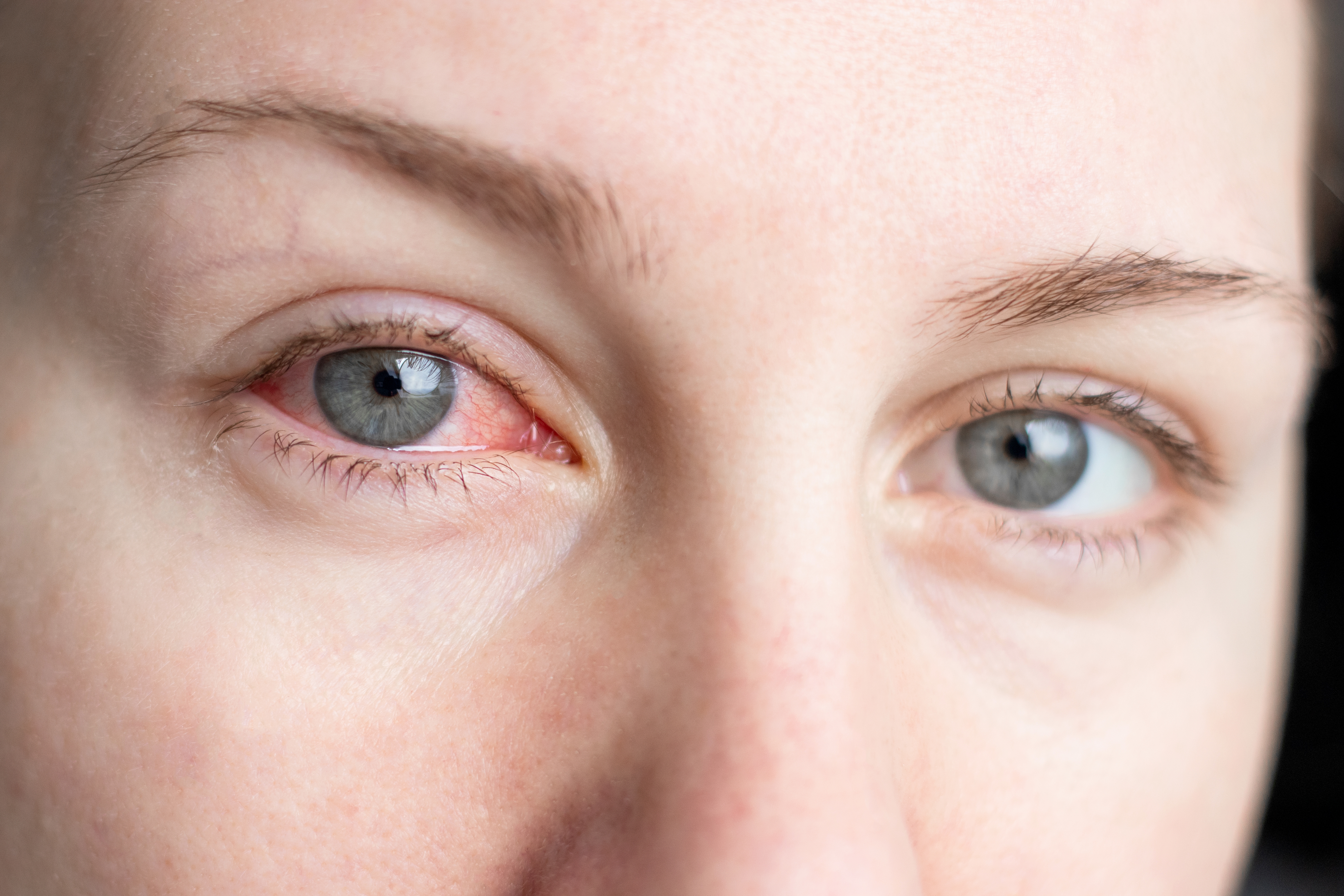
Dry, irritated eyes can make everyday activities like working on a computer, wearing contact lenses, reading, or commuting through New York City uncomfortable. While occasional dryness is common, persistent dry eye symptoms may signal an issue with how your tears are produced or how well they protect the surface of your eyes. At Eye and Health in the East Village, we look beyond temporary relief to determine what may be contributing to ongoing dry eye discomfort.
Why Do Dry Eyes Develop?
Healthy tears contain a balance of water, oils, and other components that keep the eyes lubricated and protect the ocular surface. Dry eye can develop when you do not produce enough tears or when your tears evaporate too quickly.
One common cause is meibomian gland dysfunction, or MGD. The meibomian glands along the eyelids produce oils that help prevent tears from evaporating. If these glands become blocked or do not function properly, the tear film can become unstable.
Other factors that may contribute to dry eyes include aging, contact lens wear, certain medications, allergies, eyelid inflammation, previous eye surgery, and some medical conditions.
Everyday Life in New York Can Affect Your Eyes
Your environment and daily habits can also influence dry eye symptoms. Patients may spend hours moving between computer screens, smartphones, air-conditioned offices, heated buildings, windy streets, and public transportation.
Long periods of screen use are particularly important because people tend to blink less frequently while concentrating on digital devices. Reduced blinking gives tears more time to evaporate and may leave the eyes feeling tired, gritty, or irritated.
Common Signs of Dry Eye
Dry eye does not always feel like simple dryness. Symptoms can vary and may include:
• Burning, stinging, or scratchy eyes
• Redness or irritation
• Blurry or fluctuating vision
• Sensitivity to light
• A gritty or foreign-body sensation
• Eye fatigue after prolonged screen use
• Watery eyes or excessive tearing
Finding the Cause Is Important
Using artificial tears may provide temporary comfort, but recurring symptoms often require a closer look at the underlying problem. During a dry eye evaluation, we can examine the eye's surface, tear film, eyelids, and meibomian glands to better understand why your symptoms are occurring.
This allows us to recommend dry eye treatment based on your individual needs rather than relying on a one-size-fits-all approach. Depending on the cause and severity of your symptoms, management may involve improved eyelid hygiene, lubricating or prescription eye drops, nutritional support, punctal plugs, specialty contact lenses, or other appropriate therapies.
Get Help for Persistent Dry Eye Symptoms
If burning, watering, irritation, or fluctuating vision has become part of your daily routine in New York City, it may be time for a professional dry eye evaluation. Identifying what is disrupting your tear film is an important first step toward improving comfort and protecting the health of your eyes.
Schedule your dry eye evaluation with Eye and Health to identify the cause of your discomfort and find the right treatment for lasting relief. Contact our office in New York, New York, by calling (212) 228-0950 to book an appointment today.
Powered by
