


Mailing Address
159 1st Avenue
New York, NY


Myopia Management for NYC Students: When Is the Ideal Time to Start Ortho-K?
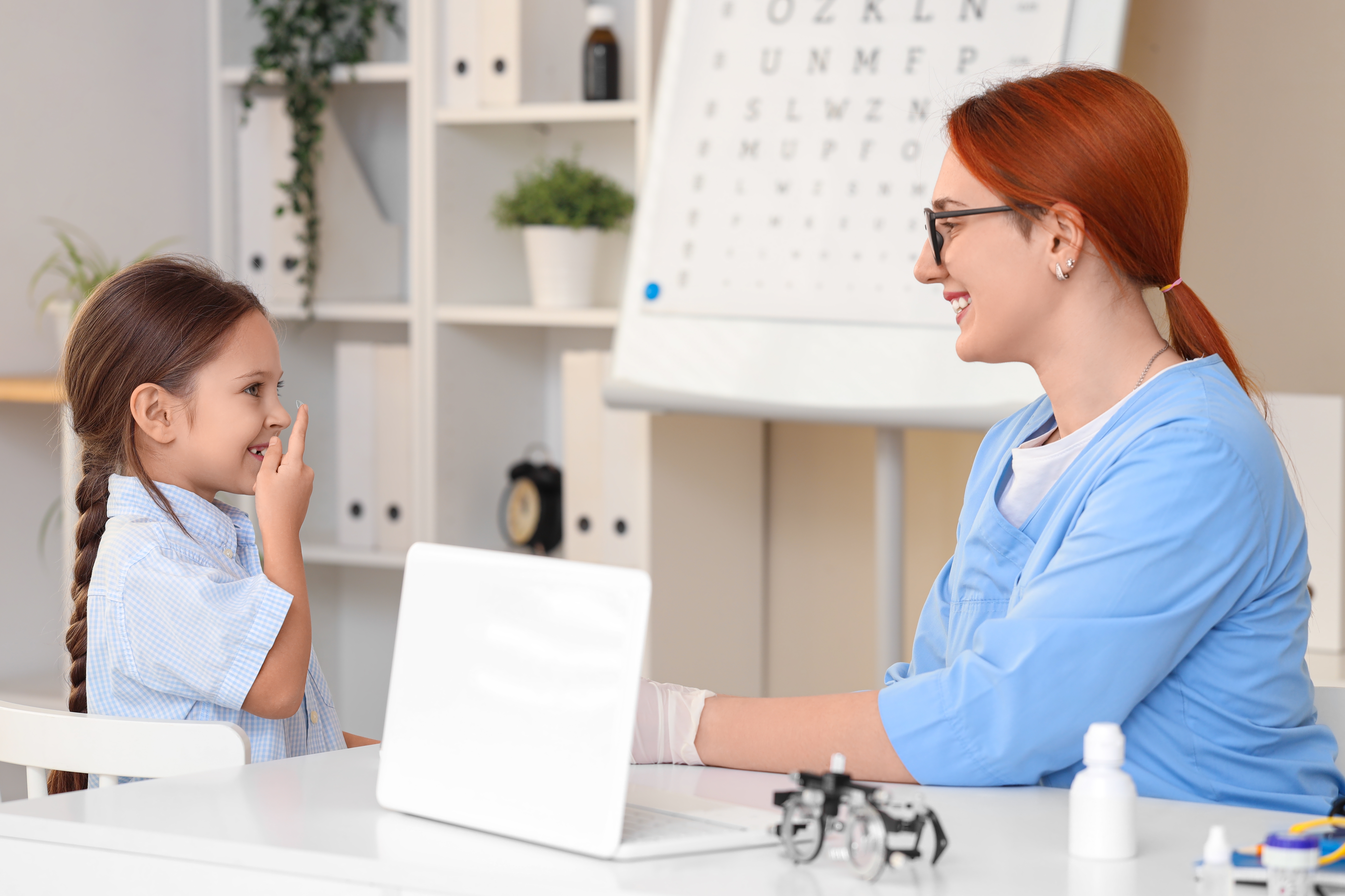
Between schoolwork, digital devices, and extracurricular activities, New York City students rely on clear vision throughout the day. For children with myopia (nearsightedness), blurry distance vision can become more noticeable as their eyes grow. At Eye & Health, we encourage parents to explore myopia management early, especially when their child's prescription begins changing. Orthokeratology (Ortho-K) may help slow myopia progression while providing clearer vision during the day.
Why Early Myopia Management Matters
Myopia commonly develops during childhood and can continue progressing through the teenage years. Children who become nearsighted at a younger age often have more years for their prescriptions to increase.
Higher levels of myopia are associated with an increased risk of certain eye conditions later in life, including retinal detachment and glaucoma. Starting myopia management early may help limit this progression.
For students, the ideal time to consider Ortho-K is often when nearsightedness first develops or begins worsening, rather than waiting for significant prescription changes.
What Is the Best Age to Start Ortho-K?
There is no single perfect age for beginning Ortho-K. Some children may be candidates as young as six, depending on their prescription, eye health, and ability to follow proper contact lens care instructions.
Younger children experiencing progressive myopia may benefit from starting treatment earlier because their eyes are still developing. However, older children and teenagers can also be candidates. At Eye & Health, we evaluate each child's vision and individual needs to determine whether Ortho-K is an appropriate option.
Signs Your Child May Benefit From an Ortho-K Evaluation
Parents should consider scheduling a myopia management consultation if their child experiences:
- Frequent prescription changes: Their glasses prescription continues increasing between eye exams.
- Difficulty seeing distant objects: They struggle to read classroom boards or recognize objects across a room.
- Squinting: They frequently narrow their eyes to see distant details.
- Family history of myopia: One or both parents are nearsighted, increasing the child's likelihood of developing myopia.
- Early onset of nearsightedness: Myopia develops during the elementary school years.
These factors do not automatically mean Ortho-K is necessary, but they can indicate that closer monitoring is worthwhile.
How Ortho-K Helps Manage Myopia
Ortho-K uses specially designed, gas-permeable contact lenses worn overnight to temporarily reshape the cornea. After removing the lenses in the morning, children may experience clearer daytime vision without relying as heavily on glasses or traditional contact lenses.
Beyond correcting vision, research suggests Ortho-K can slow myopia progression in some children. However, it does not cure nearsightedness, and its vision-correcting effects gradually reverse when lens wear stops.
What to Expect Before Starting Treatment
Before recommending Ortho-K, we assess your child's prescription, corneal shape, eye health, and readiness for contact lens care. Proper fitting and ongoing follow-up appointments are essential for monitoring comfort, vision, and treatment progress.
Because Ortho-K lenses are worn overnight, careful hygiene is particularly important. Improper lens care can increase the risk of serious eye infections. We help families understand safe handling, cleaning, and wearing instructions before treatment begins.
If your child's nearsightedness is progressing, schedule a myopia management consultation with Eye & Health to learn whether Ortho-K is right for them. Visit our office in New York, NY, or call (332) 895-2800 to book an appointment today.
© 2026 Eye and Health. All rights Reserved - Accessibility Statement - Privacy Policy - SMS Terms and Conditions - Site Map
Powered by
