


Mailing Address
159 1st Avenue
New York, NY


Night Glare and Halos: When Is It Time for an Eye Exam?
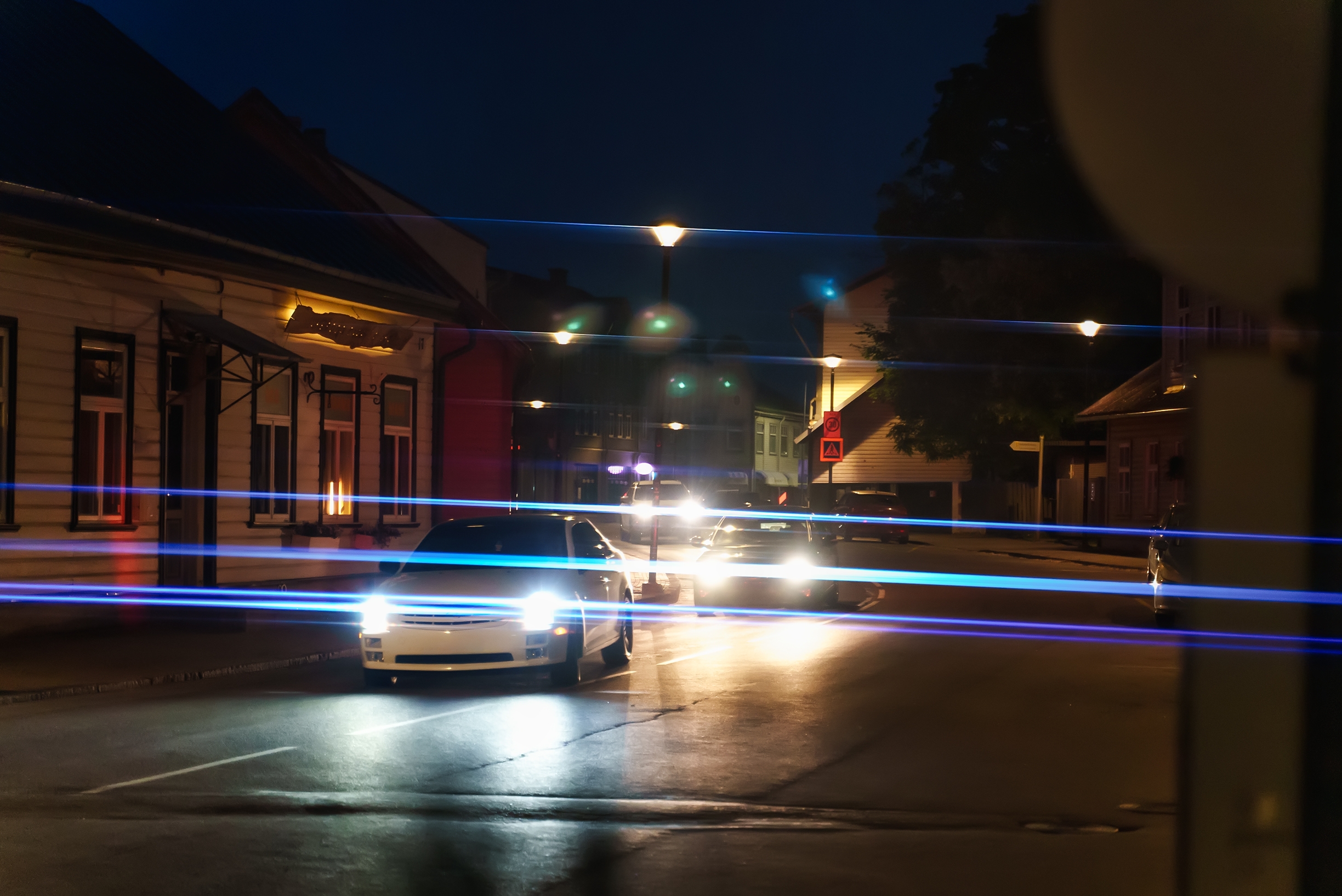
Headlights, streetlights, and traffic signals can look very different after dark. For some people, bright lights appear surrounded by glowing rings or starbursts, while others notice increased glare that makes nighttime driving uncomfortable. Occasional sensitivity can happen, but persistent night glare and halos may indicate that your vision or eye health needs attention.
At Eye and Health, we recommend paying attention to changes in how clearly and comfortably you see at night. A comprehensive eye exam can help us determine what is causing the problem and whether vision correction or additional care is needed.
What Causes Night Glare and Halos?
Glare happens when bright light interferes with clear vision, while halos appear as rings around light sources. Both symptoms can become more noticeable at night because the pupils naturally become larger in darker conditions.
Several eye and vision issues may contribute to these symptoms, including an outdated glasses or contact lens prescription. Nearsightedness and astigmatism can make lights appear blurry, distorted, or spread out after dark.
Dry eye can also affect the smoothness of the eye's surface. When the tear film becomes unstable, light may not focus as evenly, potentially contributing to fluctuating vision and glare. Cataracts, corneal irregularities, and other eye conditions can also affect nighttime vision.
Signs It Is Time for an Eye Exam
An eye exam is worth scheduling if night glare or halos are becoming frequent or interfering with everyday activities. Pay particular attention if you experience:
• Increasing difficulty seeing road signs at night
• Halos or starbursts around headlights and streetlights
• Blurred or fluctuating nighttime vision
• More squinting while driving after dark
• A noticeable change compared with your usual vision
Even if your daytime vision seems clear, nighttime symptoms can reveal vision changes that are less noticeable under brighter conditions.
Why Your Prescription May Need an Update
Vision prescriptions can change gradually. You might still function well during the day while noticing that nighttime driving has become more challenging. Small amounts of uncorrected nearsightedness or astigmatism can become especially noticeable when looking at bright lights against a dark background.
During a comprehensive eye exam, we can evaluate your visual acuity, prescription, and overall eye health. If glasses or contact lenses are contributing to reduced clarity, updating your vision correction may help improve how you see in low-light conditions.
When Nighttime Symptoms Need Faster Attention
A gradual increase in glare should be evaluated, but certain symptoms require more immediate attention. Sudden halos accompanied by significant eye pain, redness, headache, nausea, or a sudden decrease in vision should not be ignored. New flashes, a sudden increase in floaters, or a curtain-like shadow in your vision also warrant prompt evaluation.
If glare and halos are making nighttime driving or everyday activities more difficult, schedule a comprehensive eye exam with Eye and Health to have eye health evaluated. Contact our office in New York, New York, by calling (212) 228-0950 to book an appointment today.
© 2026 Eye and Health. All rights Reserved - Accessibility Statement - Privacy Policy - SMS Terms and Conditions - Site Map
Powered by
