


Mailing Address
159 1st Avenue
New York, NY


What Causes Amblyopia and What Are the Symptoms?
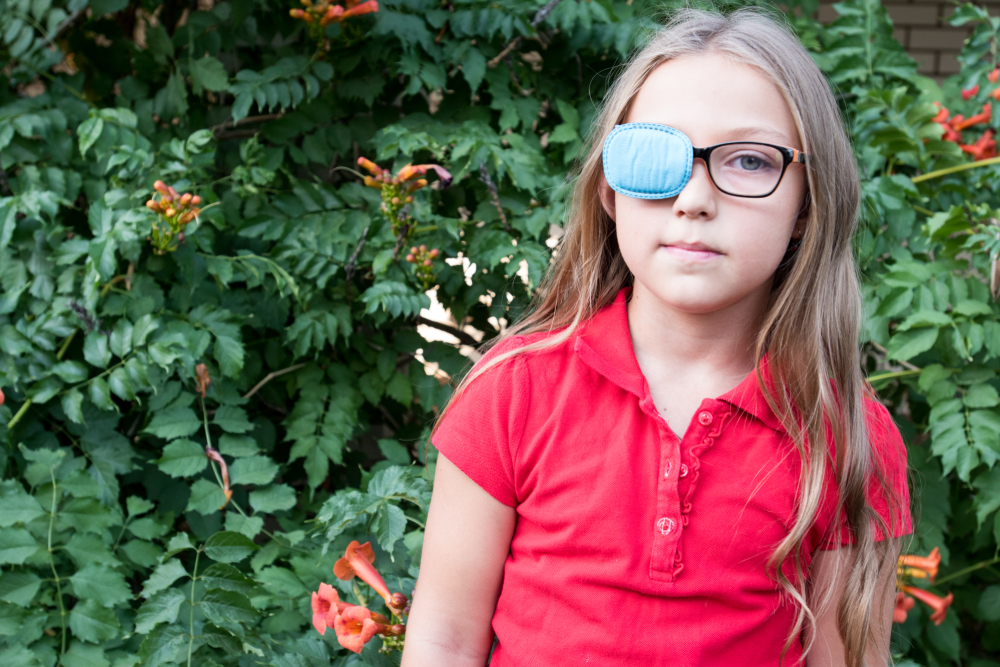
Amblyopia, often referred to as “lazy eye,” is a common vision condition that develops during childhood and can lead to long-term visual impairment if left untreated. It occurs when one eye does not develop normal vision because the brain begins to favor the other eye. Understanding what causes amblyopia and recognizing its symptoms early is key to protecting a child’s vision and visual development.
What Is Amblyopia?
Amblyopia is a neurodevelopmental vision condition in which the brain and one eye do not work together properly. Even though the eye itself may appear healthy, the brain suppresses input from that eye, resulting in reduced vision that cannot be corrected with glasses alone. Amblyopia typically develops from birth through early childhood, making early detection and treatment especially important.
Common Causes of Amblyopia
Amblyopia can develop for several reasons, all of which interfere with clear, balanced visual input during critical stages of visual development.
1. Eye Misalignment (Strabismic Amblyopia)
When the eyes are not properly aligned - commonly known as crossed eyes or wandering eyes - the brain may ignore input from one eye to avoid double vision. Over time, this suppression leads to amblyopia in the misaligned eye.
2. Unequal Refractive Errors (Refractive Amblyopia)
Significant differences in prescription between the two eyes can cause the brain to favor the clearer eye. This may occur with:
• Nearsightedness
• Farsightedness
• Astigmatism
If one eye consistently provides a clearer image, the weaker eye may fail to develop normal visual acuity.
3. Vision Obstruction (Deprivation Amblyopia)
Anything that blocks light from entering the eye during early childhood can interfere with vision development. Examples include:
• Congenital cataracts
• Droopy eyelids (ptosis)
• Corneal scarring
This form of amblyopia is often the most severe and requires prompt treatment.
Symptoms of Amblyopia
Amblyopia can be difficult to detect, especially in young children who may not realize one eye sees differently. Some common signs include:
• Poor depth perception
• Squinting or closing one eye
• Frequent eye rubbing
• Head tilting
• Difficulty with reading or focusing
• Eyes that appear misaligned
• Complaints of blurry vision in one eye
In many cases, amblyopia causes no obvious symptoms, which is why comprehensive eye exams are essential - even if a child seems to see well.
Why Early Detection Matters
The visual system continues to develop throughout early childhood. Treating amblyopia during this critical period offers the best chance for improved vision. Treatment may include prescription glasses, patching therapy, or other customized approaches based on the underlying cause. Without treatment, amblyopia can lead to permanent vision loss in the affected eye and impact daily activities such as reading, sports, and learning.
Schedule an Eye Exam at Eye & Health
Amblyopia is a common yet often undetected childhood vision condition that can have lasting effects if left untreated. Understanding its causes and symptoms empowers parents to seek timely care and support healthy visual development. Early diagnosis and intervention make a meaningful difference in protecting a child’s long-term vision.
If you’re concerned about amblyopia, schedule a comprehensive eye exam at Eye & Health today. Visit our office in New York, New York, or call (212) 228-0950 to book an appointment.
Powered by
